How a Pizza Restaurant Creates Signature Recipes Customers Love
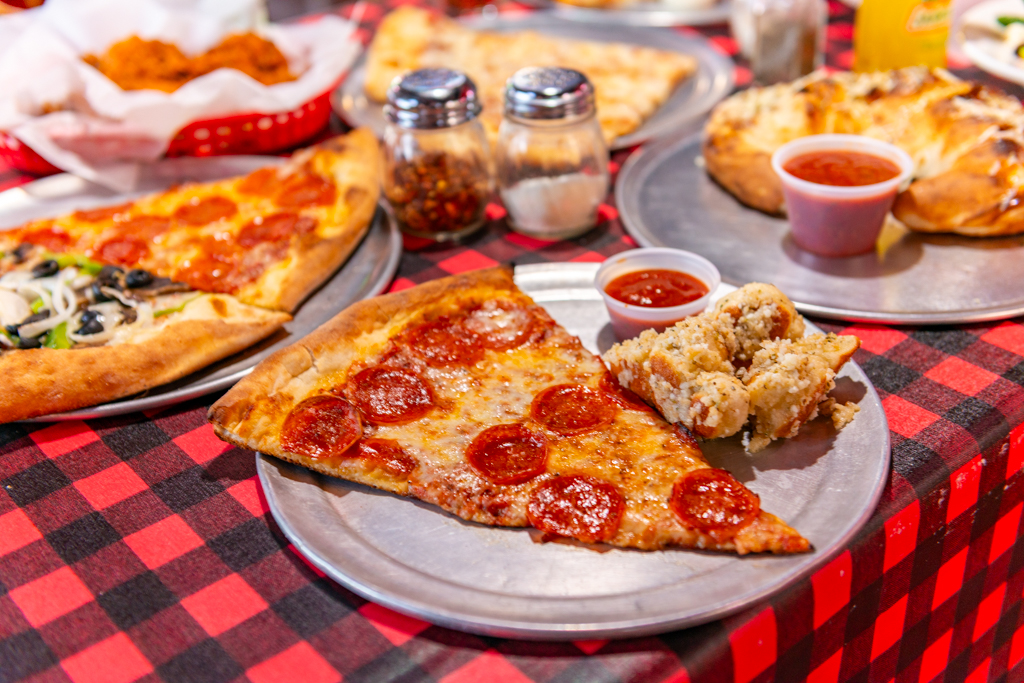

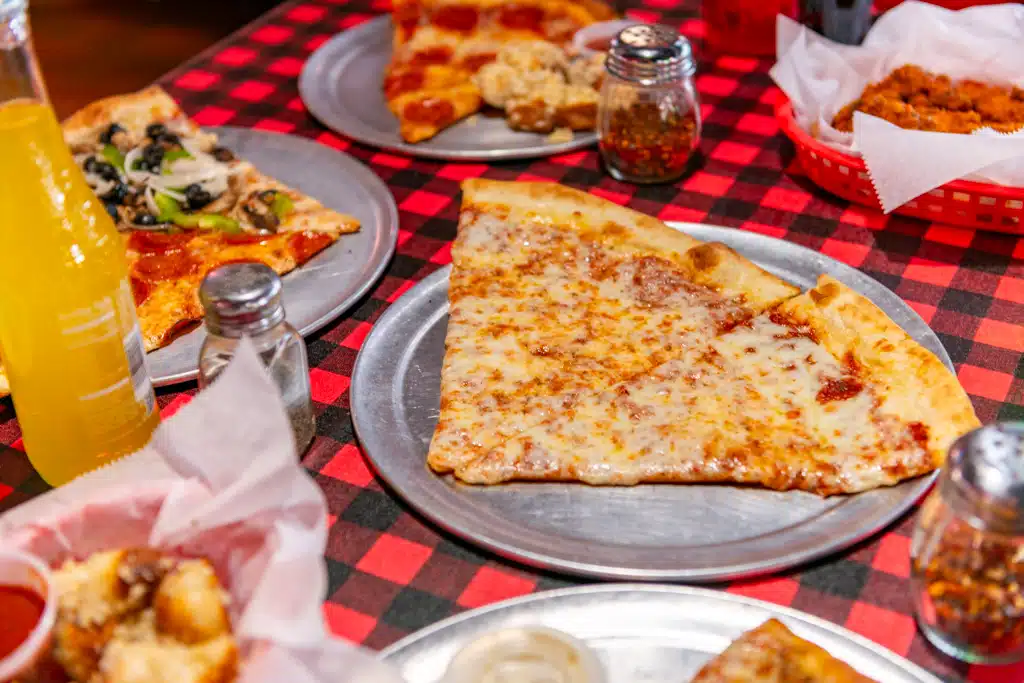
A memorable pizza does not happen by accident. In a strong pizza restaurant, signature recipes are built through a mix of culinary discipline, operational reality, and a clear understanding of what guests actually come back for. The romantic version of menu development is a chef struck by inspiration at midnight, tossing together a masterpiece. The real version is more grounded. It involves dough behavior, oven heat, topping moisture, ticket times, food cost, staff consistency, and the difficult question every operator has to answer: will people order it twice?
The best signature pizzas feel inevitable once they hit the table. Customers describe them as unique, but not strange. Distinctive, but still comforting. That balance is what separates a recipe that gets talked about from one that quietly disappears after a month. A pizza restaurant that consistently creates dishes customers love usually has a repeatable process behind the scenes, even if the result feels effortless.
Signature recipes start with identity, not toppings
Many restaurants make the mistake of beginning with ingredients. Someone spots hot honey on social media, or a supplier pitches a trendy cheese, and suddenly the kitchen is trying to force a concept into the menu. Strong signature recipes usually begin somewhere else. They start with the restaurant’s point of view.
If a pizza restaurant is built around old-school neighborhood pies with a crisp, foldable slice, its signature recipe should grow from that identity. If the house style is naturally leavened dough with a blistered cornicione and lighter topping hand, that matters too. A successful pizza should taste like it belongs in that specific place.
Customers notice when a recipe feels disconnected from the restaurant around it. A deeply traditional shop that suddenly offers a truffle-lobster pie might get attention, but attention is not the same as affection. On the other hand, a coal-fired restaurant that develops a white pie with roasted garlic cream, charred onions, pecorino, and lemon might create something both fresh and believable. It feels like a natural extension of the house style.
That sense of identity is often what gives signature recipes their staying power. The customer is not just buying a collection of ingredients. They are buying a flavor experience tied to the brand. Over time, that recipe becomes part of the restaurant’s memory in the community.
Dough defines more than most people realize
Ask experienced pizza operators what matters most, and many will tell you the same thing: the dough carries the whole menu. Customers tend to focus on toppings because they are visible, but dough determines structure, texture, aroma, chew, and how toppings read on the palate.
A signature pizza built on weak dough rarely survives. It may taste good on the first test bake, especially if it is piled with assertive ingredients, but it will not develop into a true favorite if the base cannot support the concept. Dough that lacks strength can go limp under sauce. Dough with poor fermentation can taste flat no matter how expensive the toppings are. Dough that bakes inconsistently will make service miserable.
In practice, recipe development often starts with understanding what the dough wants to do. A high-hydration dough with strong fermentation might pair beautifully with lighter toppings that allow the crust to stay expressive. A denser, more structured dough might stand up better to heavier proteins and richer sauces. This is one reason two restaurants can use similar ingredients and end up with entirely different results.
There is also a timing issue. Some doughs hold beautifully for dine-in but lose steam in delivery. Others stay resilient in the box and reheat well at home. If a pizza restaurant does a large delivery business, that factor matters. A signature pie that tastes excellent ten feet from the oven but mediocre after a twelve-minute drive is not ready for prime time.
I have seen restaurants fall in love with a recipe during staff tastings, only to realize later that the crust softens too quickly once boxed. Small changes can solve that problem. A lighter sauce application, a different cheese ratio, pre-roasted vegetables with lower moisture, or a slightly longer bake can preserve the original idea while making it viable in real service.
Flavor has to be layered, not crowded
Many unsuccessful signature pizzas suffer from the same problem: too many competing ideas. Operators often assume that a premium pizza should look elaborate, but complexity is not the same as depth. Some of the most beloved recipes are built on restraint.
A good signature pizza usually has a flavor story. It may contrast sweet and salty, or balance smoke with brightness, or bring richness into focus with acid and herbs. What matters is that every component has a job. When the kitchen adds ingredients because they sound luxurious rather than because they improve the bite, the pie becomes muddy.
Think about a classic spicy soppressata pizza finished with hot honey. The reason it works is not mystery. You have fat from cheese, spice from cured meat, sweetness from honey, salt throughout, and a crisp crust underneath. If the restaurant adds caramelized onions, burrata, balsamic glaze, chili oil, basil, and ricotta on top of that, the original tension disappears. The pie may sound impressive on the menu and feel exhausting on the tongue.
The best recipe developers taste through the sequence of a bite. First comes crust, then https://rentry.co/p5r2a8hu sauce or oil, then dairy, then the main topping, then the finish. If one note dominates too early, the pie feels blunt. If the finish lingers unpleasantly, customers may admire the creativity but not reorder. Signature pizzas need repeat value. That usually means enough intrigue to stand out, but enough balance to stay craveable.
Ingredient quality matters, but fit matters more
It is easy to say that better ingredients create better pizza. That is true up to a point. Yet recipe success depends less on prestige and more on compatibility. A fantastic ingredient in the wrong application can make a pizza worse.
Fresh mozzarella is a good example. It sounds premium, and in the right context it is. But its moisture level can become a problem depending on the oven, bake style, and other toppings. A pizza restaurant that uses fresh mozzarella on every specialty pie may end up with pale bakes and puddled centers. A blend of low-moisture mozzarella and provolone might actually produce a more satisfying result on certain recipes, even if it sounds less glamorous.
The same logic applies to tomatoes, cured meats, mushrooms, greens, and finishing cheeses. Imported tomatoes can shine on a simple marinara pie, but a sweeter domestic blend may work better in a recipe with spicy sausage and roasted peppers. Delicate arugula can brighten a rich white pie, but only if it is added at the right moment and in the right amount. Too much and it turns the pizza into a salad on bread.
Ingredient fit also includes availability. Signature recipes should not depend on items that fluctuate wildly in quality or supply unless the restaurant is explicitly seasonal and customers understand the trade-off. A pizza restaurant that builds its identity around a fig and prosciutto pie may face real problems if figs are inconsistent half the year. Sometimes the smarter move is to create a preserve or compote that delivers similar character with better control.
Kitchen practicality shapes creativity
Guests judge the finished pizza. They rarely see what it takes to produce that pie during a packed Friday dinner rush. That hidden reality shapes whether a recipe can become a true signature item.
A pizza can taste remarkable in testing and still fail in service because it is too slow, too delicate, or too difficult to execute consistently. If a recipe needs six finishing components applied in a strict order within twenty seconds of leaving the oven, it may work only when the chef is on the line. That is not enough. A signature item must be teachable.
The strongest menus respect station flow. They account for who stretches the dough, who tops the pie, who watches the oven, who slices and boxes, and how all that changes under pressure. If one pizza disrupts the line every time it is ordered, resentment builds in the kitchen and quality slips.
Here are a few practical tests experienced operators often use before promoting a new pizza to the main menu:
- Can the line make it correctly during peak volume, not just in a quiet afternoon test?
- Does it bake consistently across several oven positions and several team members?
- Can the restaurant hold the necessary ingredients safely and with minimal waste?
- Does it travel well enough for takeout or delivery, if those channels matter?
- Will guests understand it quickly from the menu description?
Those questions may sound operational rather than creative, but they are part of creativity in a working restaurant. A recipe only becomes a signature if it can survive repetition.
Great restaurants test in small, disciplined ways
There is a temptation to treat recipe development as a big unveiling. In reality, many strong pizza restaurants build signature pies through a quieter process. They run a weekly special. They test portions. They compare bake times. They pay attention to what servers hear at the table and what remains on the plate.
This is where judgment matters. One busy night does not prove a pizza is a winner. Neither does a loud reaction on social media. Operators who develop strong signature recipes tend to look for patterns. Are guests asking whether the special will return? Are they adding it to group orders without needing persuasion? Are people reordering it on later visits? Does it produce the kind of word-of-mouth that brings in new tables?
A useful test is what happens after the first slice. Some pizzas sell because they photograph well or because the flavor hook is obvious. The question is whether the whole pie remains satisfying. Customers may love the first bite of a very sweet barbecue-chicken pizza, then lose interest halfway through. A signature recipe needs stamina.
Some of the best feedback comes from front-of-house staff, especially experienced servers who know regulars well. They often recognize subtle problems before management does. Maybe guests like the flavor but find a topping hard to eat. Maybe the finish looks beautiful on the pass but slides off in the box. Maybe the pizza is too rich to pair well with the rest of the menu. Those observations can save a restaurant from locking in a flawed recipe.
Familiarity gives customers confidence
Most diners want a restaurant to surprise them within reason. A signature pizza should offer something memorable, but it should not ask the customer to decode the entire idea from scratch. That is why many successful recipes anchor themselves in something familiar, then add one or two distinctive turns.
A white pizza might become signature-worthy because it includes whipped ricotta, roasted lemon, and chili breadcrumbs. A pepperoni pie might stand out because the restaurant cups the slices hard, adds fermented honey, and finishes with oregano oil. A mushroom pizza might move beyond ordinary by combining several textures, roasted cremini for depth, pickled shiitakes for acidity, and a thin layer of fontina for nuttiness.
The common thread is recognizability. Guests understand what they are ordering even if the final effect feels unique. That confidence matters, especially in groups. Few people want to risk the whole table’s dinner on a concept that sounds clever but uncertain. A pizza restaurant that understands this tends to create signatures that are accessible first and inventive second.
Naming and menu language influence what sells
A recipe can be excellent and still underperform if it is poorly named or described. This is not superficial. Menu language frames expectation, and expectation shapes satisfaction.
Some restaurants lean too hard into poetic names that obscure the pizza itself. Others write descriptions so technical that they read like prep notes. The best approach is usually clear and evocative. Customers should know the core of what they are getting, and the name should be easy to remember.
Consider the difference between listing a pizza as “Bianca No. 4” versus “roasted garlic white pie with mozzarella, pecorino, and rosemary.” The second tells the guest more, creates appetite, and gives servers a better starting point. If the pie has a house nickname, that can work beautifully, but only if the description still carries the selling burden.
Signature items often benefit from a story, especially if there is a local angle, a family origin, or a house-made component that truly matters. The key is to keep that story tight. Guests do not need a speech. They need enough context to understand why this pizza belongs to the restaurant.
Signature recipes need economics behind the romance
No restaurant can ignore cost, and smart recipe development never does. Food cost alone does not determine whether a pizza belongs on the menu, but it sets boundaries. Some ingredients are expensive in ways customers will never fully appreciate, and some are surprisingly efficient while still delivering a premium feel.
The goal is not simply to create the cheapest profitable pizza. It is to design a recipe whose perceived value matches its actual cost structure. A pie finished with a small amount of excellent aged cheese, fresh herbs, and chili oil can feel generous while staying manageable. A pizza loaded with imported charcuterie and multiple dairy components might look like a showpiece but squeeze margin beyond reason.
There is also labor cost, which many new operators underestimate during R and D. If a topping needs special preparation every day, its menu price has to support that labor. If it uses ingredients shared across several recipes, it becomes easier to justify. Cross-utilization is one of the quiet strengths of well-built menus. It reduces waste, simplifies ordering, and makes the kitchen faster without the guest noticing.
This is one reason some beloved signature recipes seem deceptively simple. The restaurant has learned that elegance often performs better than extravagance, both financially and culinarily.
Consistency turns a good idea into a favorite
A customer does not call something their favorite because it was great once. They say it because the pizza gave them the same satisfaction on different visits, under different conditions, sometimes months apart. Consistency is where many signature ambitions collapse.
Maintaining consistency takes more than a written recipe. It requires clear prep standards, portion controls that people actually use, visual training, and regular tasting. Sauce ladles matter. Cheese weights matter. Even how far to the edge a topping is spread matters. In pizza, small changes are visible and edible.
Restaurants with enduring signature items tend to build systems around them. They photograph finished pies for training. They define bake color. They note acceptable variation and unacceptable variation. They train team members to understand not just what goes on the pizza, but why the balance matters.
One of the most useful habits in a pizza restaurant is tasting components independently and in combination. If the pickled onion batch is sharper than usual, that may throw off a whole recipe. If the sausage supplier changes grind or seasoning, the old cheese ratio may suddenly feel wrong. Good operators catch those shifts early.
Customer feedback is valuable, but not every request is wise
Guests will ask for modifications. They will suggest combinations. They will tell a server that the signature pizza would be even better with extra cheese, ranch drizzle, or no herbs. Listening matters. Obeying every suggestion does not.
A strong restaurant learns to separate preference from principle. If multiple guests say a certain topping makes the pizza watery, that is useful. If one customer wants the crust softer because they personally dislike char, that may not belong in the core recipe. Signature items earn loyalty partly because they express conviction.
That said, stubbornness can be expensive. If a pizza repeatedly confuses guests or produces the same complaint from a wide range of diners, the restaurant should pay attention. Great operators are decisive, but they are not precious. They revise when the evidence is real.
A healthy way to evaluate feedback is to ask a few questions in order. Is the issue about flavor, structure, value, or clarity? Is it happening across different shifts? Is it hurting reorders? Does fixing it compromise the restaurant’s identity or strengthen it? Those distinctions prevent overreaction while still keeping the menu responsive.
Some signatures are born from accidents, but they survive through discipline
Every restaurant has stories about dishes that emerged by chance. A prep cook adds chili crisp to a staff pie. A shortage forces a substitution that turns out better than the original. A regular asks for an off-menu combination that catches on. Those moments are real, and they can be valuable. But chance only creates the spark. Discipline keeps it alive.
Once a pizza shows promise, the restaurant has to lock down the details. How much sauce? Which cheese first? Are herbs baked on or finished fresh? Is the honey warmed? Should the crust be brushed? Is the sausage crumbled fine or left in larger pieces? Those decisions are what transform a fun accident into a recipe guests can trust.
This is often the invisible work behind famous pies. Customers experience delight. The kitchen sees ratios, prep sheets, oven marks, and staff training. Both are part of the same outcome.
What customers really fall in love with
People often say they love a signature pizza because it tastes different. Usually, that is only part of the truth. They love it because it tastes specific. It reflects a point of view. It delivers the same pleasure each time. It fits the mood of the restaurant, works with the style of service, and gives them a reason to come back to that pizza restaurant instead of another one down the street.
The most durable signature recipes are rarely the loudest or most overloaded. They are the ones built with enough care that every element feels intentional. The crust supports the toppings. The toppings honor the bake. The finish sharpens the whole pie rather than decorating it. The menu describes it well. The line can execute it on a slammed Saturday. The guest remembers it on Monday and orders it again next week.
That is how a pizza becomes more than a special. It becomes part of the restaurant’s identity, and part of the customer’s routine. In a business where loyalty is hard won, that is about as valuable as a recipe can be.
RUFFRANO'S HELL'S KITCHEN PIZZA Security
385 Main St, Colorado Springs, CO 80911
(719) 390-4355
FAQ About pizza restaurant
Is there a Hell's Kitchen pizza restaurant in Security-Widefield?
Yes. Ruffrano's Hell's Kitchen Pizza has a Security-Widefield location at 385 Main St.
Where can I find pizza delivery in Security-Widefield?
Ruffrano's Security location offers online ordering. Enter your address at checkout to check delivery availability and fees.
Where can I find gluten-free pizza in Security-Widefield?
Ruffrano's menu lists a 12-inch gluten-free option. Call the Security location to confirm availability and ask about shared equipment if cross-contact is a concern.